

Focusing on 21stCentury Skills to Empower New Developments in Mathematics Education ——Professor Jelena’s Special Lecture Successfully Held
 Jun 8, 2026


On June 5, 2026, a special lecture focusing on mathematics education and 21stcentury skills cultivation was successfully held. The lecture was delivered by Professor Jelena, a senior education scholar from the University of Oslo, Norway, and was aimed at frontline mathematics teachers, preservice teachers, and educational researchers. The presentation offered indepth discussions on cuttingedge topics including the assessment of mathematics learning outcomes, core competency frameworks, largescale international assessments, and digital assessment, injecting international perspectives and practical ideas into mathematics education reform and talent cultivation.
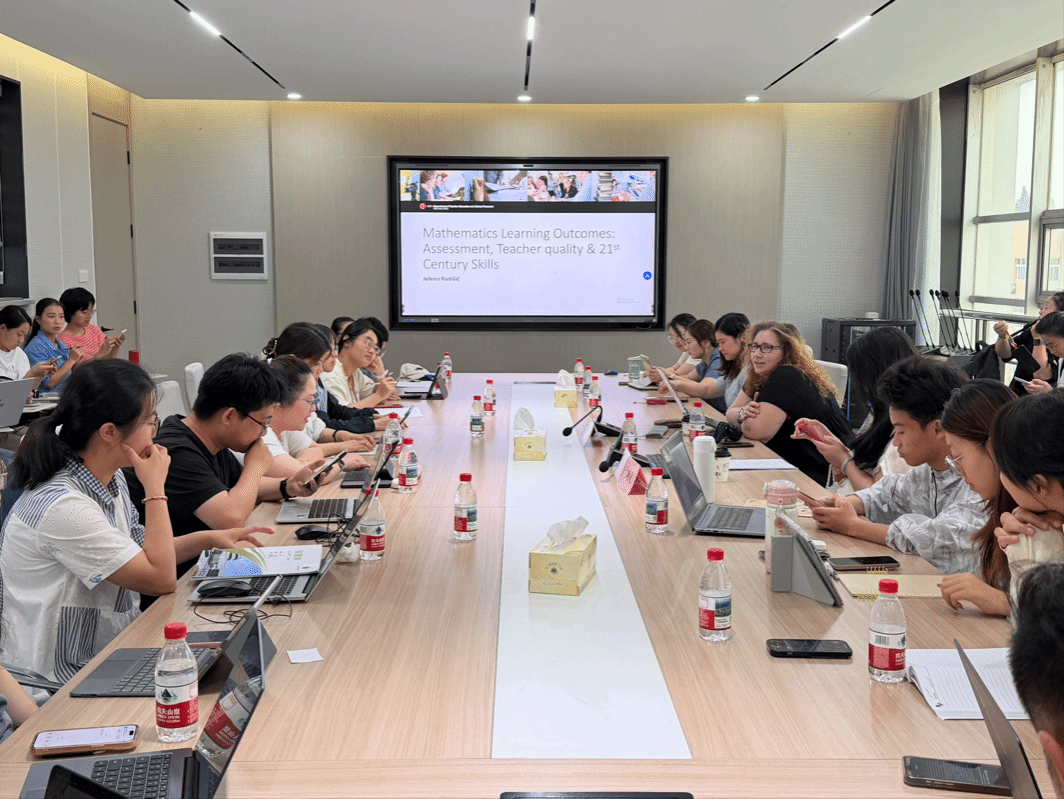
At the outset, Professor Jelena approached the core meaning of mathematics learning outcomes, challenging the traditional onedimensional “scoreonly” evaluation. She clearly stated that the essence of modern mathematics education is not limited to knowledge acquisition, but must also focus on key 21stcentury skills such as critical thinking, problemsolving, and logical reasoning, with the aim of cultivating students’ comprehensive competences for future social development. Drawing on her over ten years of educational research and frontline teaching experience, she stressed that mathematical ability development must go beyond the classroom and connect closely with reallife and professional contexts, facilitating effective knowledge transfer from the “classroom” to “application.”
Subsequently, Professor Jelena systematically reviewed the mainstream core competency frameworks in international mathematics education, with special emphasis on the European KOM framework, the American mathematical literacy framework, and the fivedimensional model of mathematical competence, which encompasses conceptual understanding, procedural fluency, strategic competence, adaptive reasoning, and productive disposition. She highlighted that mathematical competence is a multidimensional integrated construct, where cognitive abilities are equally as important as learning motivation and attitudes—they are mutually reinforcing and together support students’ longterm and comprehensive development in mathematics.
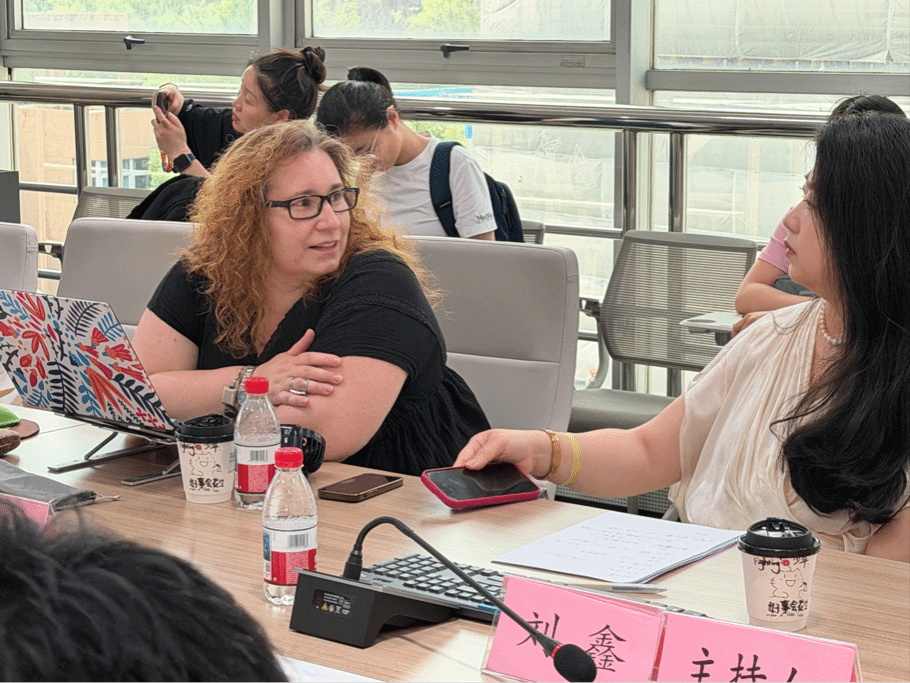
Regarding largescale international assessment systems, she provided a detailed breakdown of the design concepts, assessment frameworks, and developmental histories of TIMSS (Trends in International Mathematics and Science Study) and PISA (Programme for International Student Assessment). She noted that TIMSS focuses on curriculum implementation effects and emphasises students’ knowledge mastery, while PISA is oriented towards “cultivating qualified citizens,” assessing students’ ability to use mathematics to solve realworld problems and closely aligning with core 21stcentury civic competencies. The 2022 PISA framework further incorporates 21stcentury skills such as critical thinking and creativity into the core of the assessment, providing important references for mathematics education reforms worldwide.
Digital assessment was one of the key topics of the lecture. Professor Jelena indicated that digital transformation has become a major trend in international educational assessment, with both PISA and TIMSS progressively adopting digital assessment. This not only greatly improves assessment efficiency but also creates task contexts more suited to the digital age, precisely measuring students’ higherorder thinking abilities. At the same time, she cautioned that digitalisation is not a simple replacement of paperbased teaching; we must be vigilant against technology misuse, balance traditional writing skills with digital literacy cultivation, and avoid putting the cart before the horse in education.
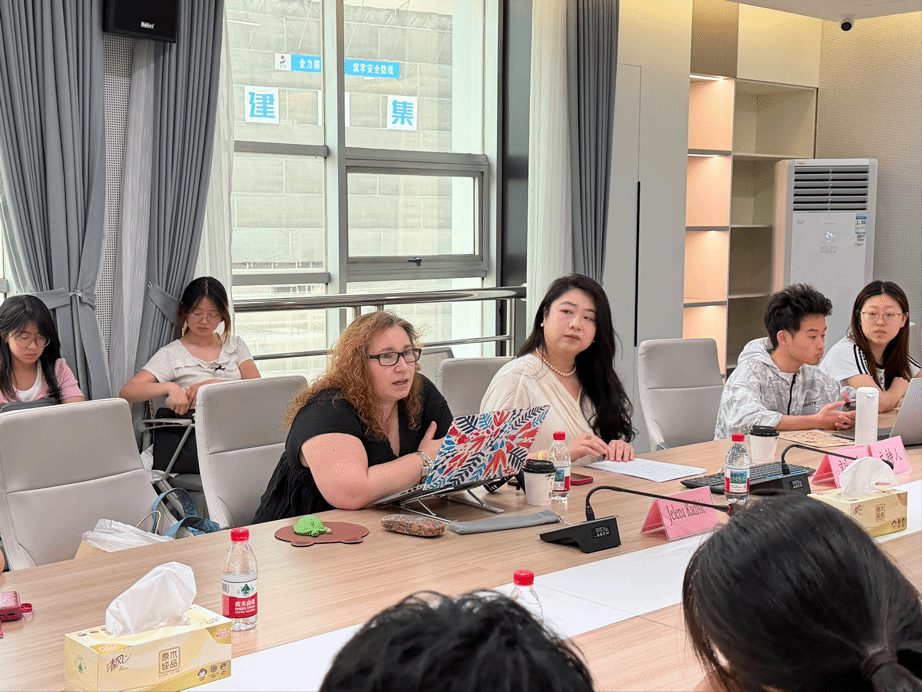
During the interactive session, participants raised active questions on issues such as “how to integrate 21stcentury skills into daily teaching,” “how preservice teachers can design competencyoriented mathematics tasks,” and “how to implement personalised student assessment.” Professor Jelena offered practical suggestions tailored to the realities of Chinese mathematics education: there is no need to add extra burdens to teachers; rather, they can optimise existing teaching tasks—for example, by incorporating reallife contexts and comparing tasks with and without formulas—to gradually nurture competency development. Assessment systems should include both formative and summative evaluation, with particular attention to the development of students’ thinking processes and attitudinal changes during learning.
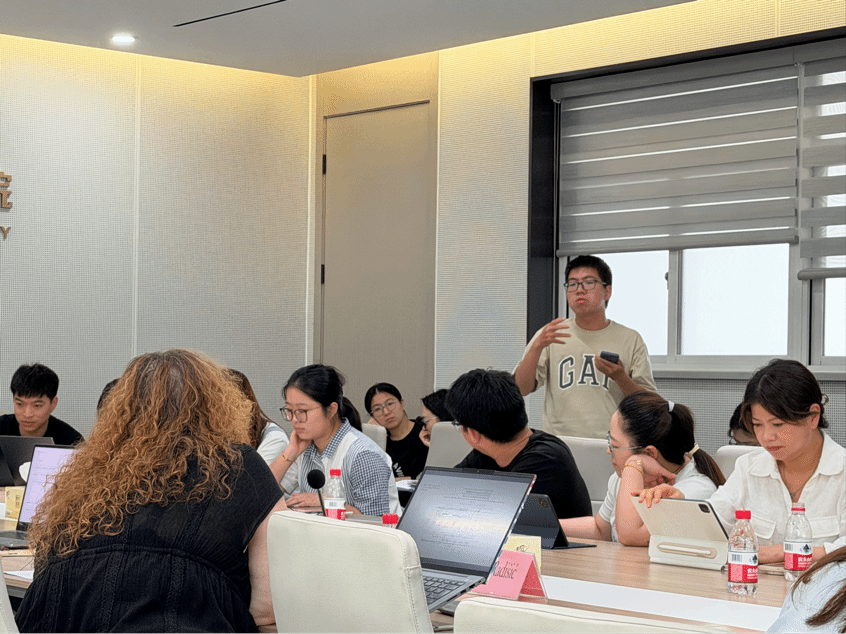
At the end of the lecture, Professor Jelena concluded that mathematics education reform is a longterm endeavour, and teachers are the key agents of implementation. All countries should attach importance to teacher training, enhance teachers’ professional competence and digital teaching abilities, and balance educational ideals with practical constraints, so that mathematics education can truly empower student development and cultivate talents with solid knowledge, core competencies, and wellrounded qualities for the new era.
This lecture featured cuttingedge content, detailed case studies, and strong practical relevance. It not only broadened the international educational horizons of the faculty and students present, but also provided valuable ideas for China’s mathematics teaching reform, competencyoriented classroom construction, and 21stcentury skills cultivation, thereby contributing to the highquality development of mathematics education.
【Close 】



